

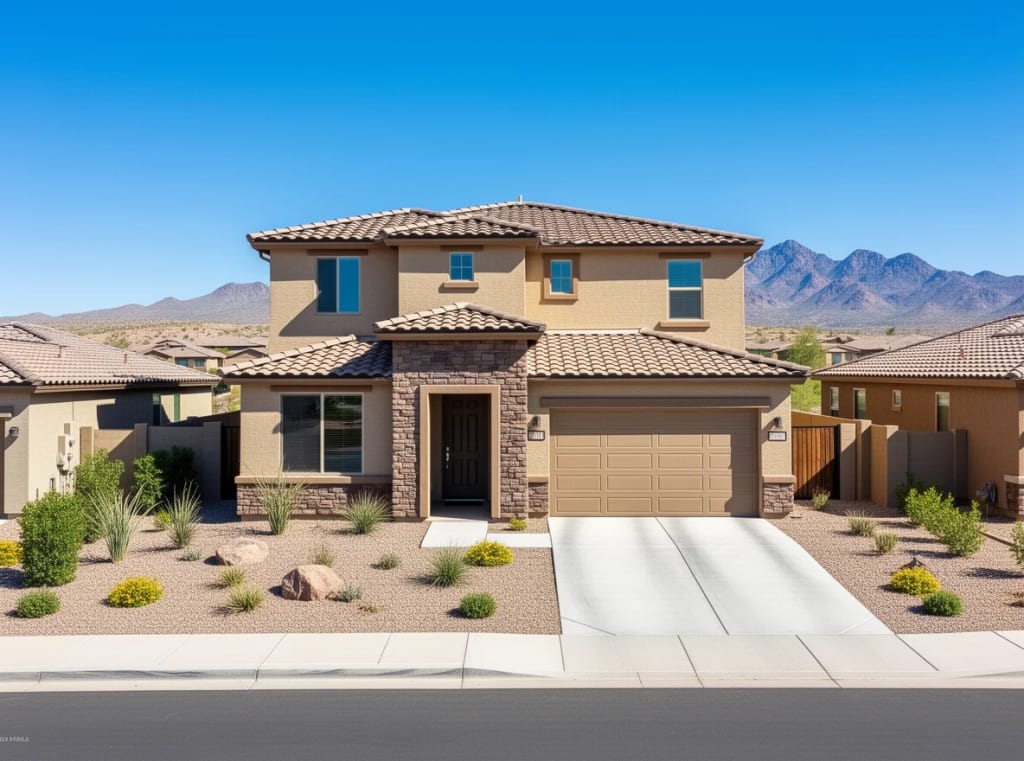
Anthem Selling Checklist: 12 Prep Steps That Can Boost Your Offer Quality
Selling a home in Anthem isn't just about putting a sign in the yard and hoping for the best—it's about creating a confident "yes" for buyers the moment they walk in. The good news is that most offer-strengthening improvements are less about expensive renovations and more about reducing uncertainty. When a home feels cared for, easy to maintain, and move-in ready, buyers tend to write cleaner offers, ask for fewer concessions, and feel comfortable coming in strong. Use the checklist below as a practical, room-by-room plan to elevate your presentation and your negotiating position.
Before you start: think like a buyer. They're scanning for risk—hidden maintenance, odd odors, deferred updates, and anything that suggests a future project list. Your job is to make the home feel simple to own. That's what boosts offer quality: fewer "what ifs," fewer inspection surprises, and a clearer sense of value.
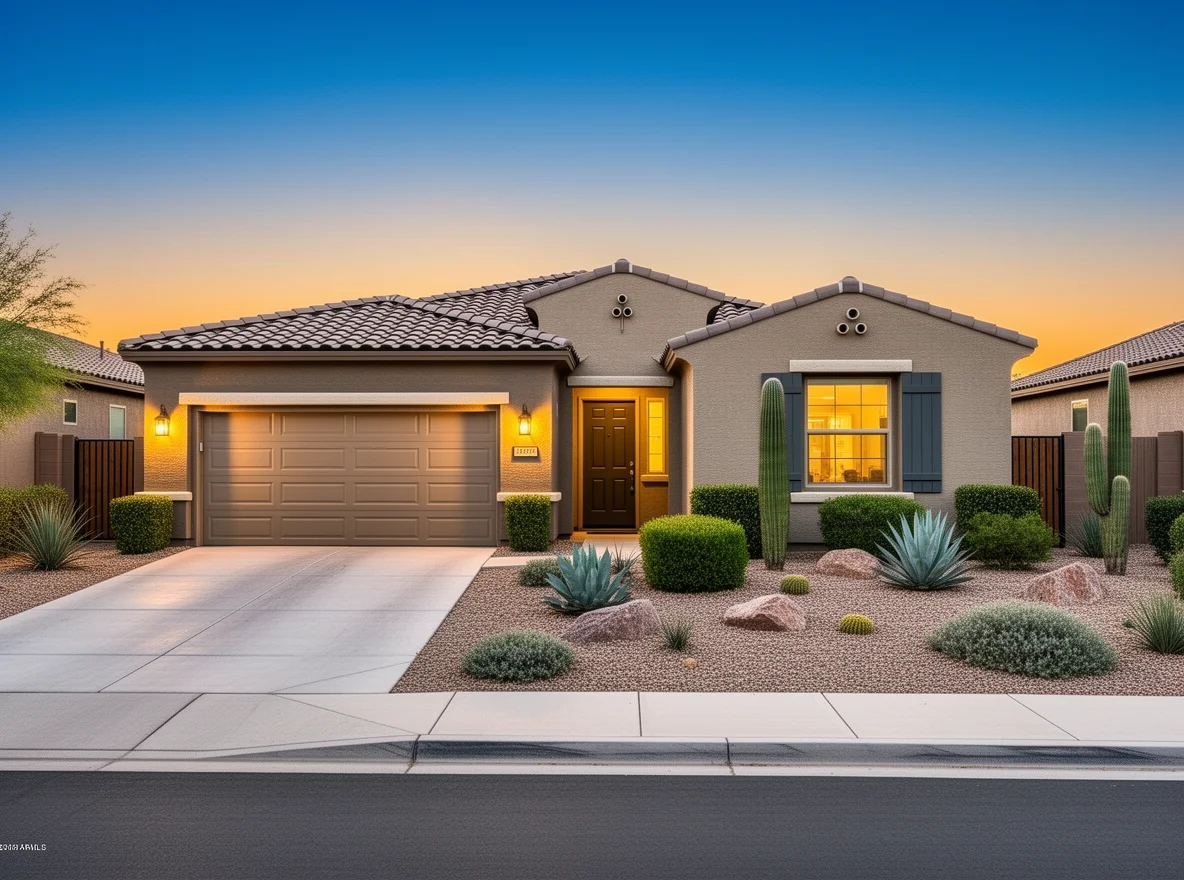
1) Boost curb appeal in one weekend. Buyers often decide how "well kept" a home is before they ever open the door. Sweep hardscape, trim shrubs, refresh mulch or decorative rock, remove dead plants, and make sure the front entry feels intentional—clean doormat, wiped door hardware, and working exterior lights.
2) Make the entry feel bright and breathable. Clear the foyer of extra furniture, shoes, and bulky décor. A simple console (or nothing at all) creates the sense of space buyers love, especially when they're carrying the mental load of moving.
3) Handle the "silent deal killers." Replace burnt bulbs, tighten loose handles, fix sticky doors, address squeaky hinges, and patch scuffs. Small defects stack psychologically; a buyer may not mention them individually, but they will quietly adjust their offer downward.
4) Deep clean like a pro, not a quick tidy. Focus on baseboards, vents, ceiling fans, window tracks, and grout lines. A truly clean home signals that the big things—HVAC, roof, plumbing—were likely cared for too.
The 12-Step Prep Checklist (In the Order That Matters)
Here's a streamlined sequence that many sellers find effective because it avoids wasted effort. You'll remove the biggest buyer objections first, then layer in the "wow" factors that justify a stronger offer.
- Declutter every surface (kitchen counters, bathroom vanities, nightstands, laundry room shelves).
- Depersonalize (limit family photos and highly specific décor so buyers can picture their own life there).
- Repair obvious wear (nail pops, chipped trim, torn screens, cracked switch plates).
- Neutralize paint where needed (touch up scuffs; consider repainting loud accent walls to a warm neutral).
- Refresh flooring (professional carpet cleaning; polish hard floors; replace heavily worn transition strips).
- Make kitchens feel spacious (clear counters, organize pantry, add one simple focal point like a bowl of citrus).
- Update lighting (consistent color temperature bulbs; brighten dim halls; ensure every fixture works).
- Stage key rooms (living room, primary bedroom, dining area—emphasize flow and function).
- Address odors at the source (filters, drains, pet areas, soft goods; avoid heavy sprays that raise suspicion).
- Service major systems (HVAC tune-up, water heater check, replace filters; keep receipts).
- Improve outdoor livability (patio seating, tidy yard, clean grill area, dust ceiling fans on covered patios).
- Prepare listing documentation (warranties, recent invoices, HOA info, utility averages if available).
Why this order works: decluttering and repairs create an immediate "move-in ready" impression; deep cleaning and lighting help photography and showings; service records and documentation reduce fear during inspections, often leading to stronger terms (price, appraisal gap language, quicker timelines).
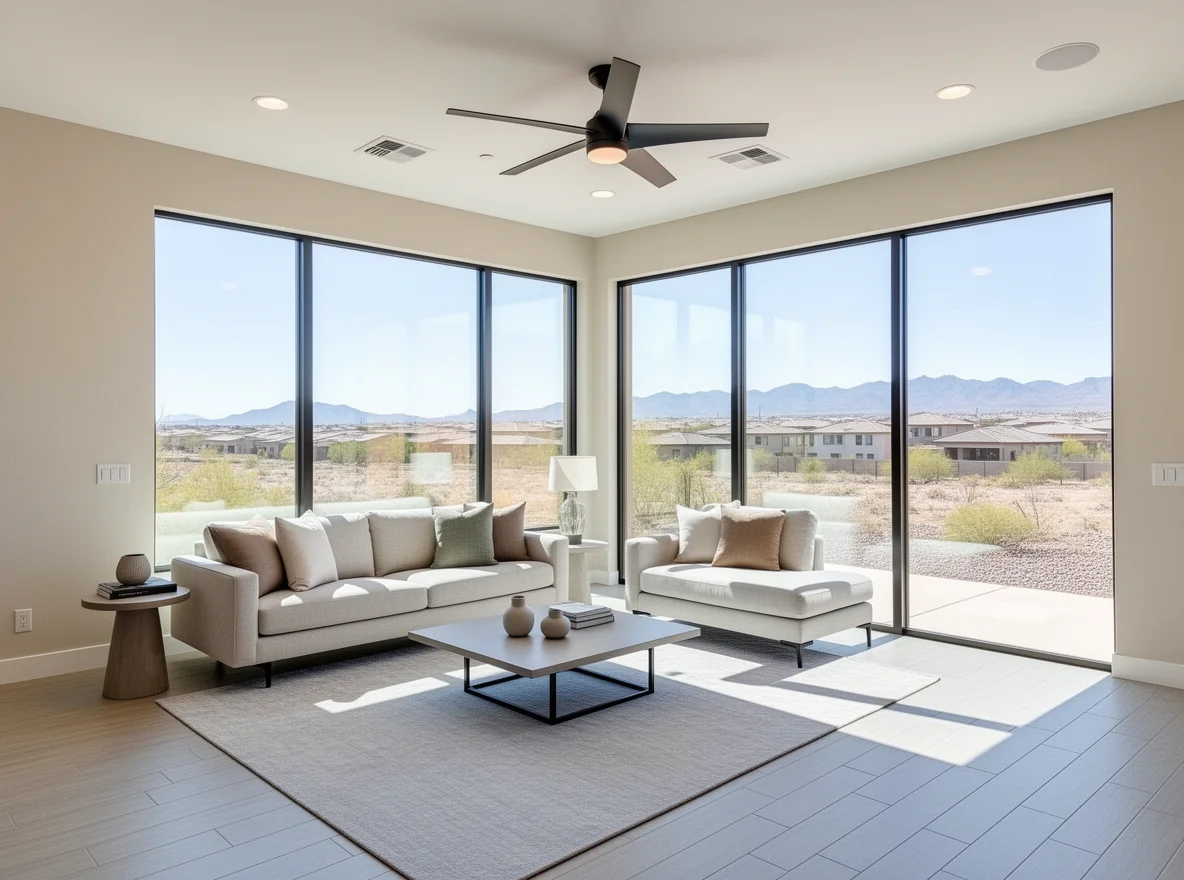
Room-by-Room Highlights Buyers Notice First
Kitchens: Buyers read the kitchen as a proxy for the whole home. If cabinets are sticky, the sink is stained, or the faucet sputters, they assume deferred maintenance elsewhere. Clean appliances, fresh caulk lines where appropriate, and a clutter-free counter line can make the space feel larger without moving a wall.
Bathrooms: Fresh towels and sparkling mirrors help, but the real boost comes from eliminating "project vibes." Regrout where needed, replace an old shower curtain with a crisp simple one, and ensure the fan works quietly. A bathroom that looks fresh reduces negotiation leverage for repair requests.
Primary bedroom: This room sells the lifestyle. Crisp bedding, open pathways, and balanced nightstands make it feel calm and hotel-like. If the closet is jammed, buyers interpret it as "not enough storage," so leave breathing room.
Garage and laundry: These utilitarian areas heavily influence trust. Neatly stacked storage, swept floors, and visible mechanical access (water heater, HVAC) can reassure buyers that the home has been responsibly maintained.
Local lens: what tends to matter in Anthem
In many Arizona transactions, buyers pay close attention to HVAC performance, sun-exposed exterior wear, and the overall "low maintenance" feel of landscaping. That doesn't mean you must remodel—rather, it means showing that the essentials are handled. A simple service record, fresh filters, and a clean, orderly exterior can reduce perceived risk and strengthen your bargaining power.

Offer Quality: What You're Really Improving
Price is only one piece of an offer. Strong offers often include better terms: fewer repair demands, smoother timelines, higher earnest money, and clearer intent to close. Prep work helps you attract those buyers because it increases confidence. When the home looks sharp in photos, feels fresh in person, and has fewer visible defects, buyers are more likely to compete rather than negotiate.
It also helps with the inspection phase. Many sellers lose leverage after inspection not because the home has major problems, but because there are enough small issues to justify a credit request. Knocking out easy fixes ahead of time can prevent a long list from forming.
Final walk-through: your 30-minute "showing readiness" routine
- Light: open blinds, turn on lamps, replace any dim bulbs.
- Sound: set thermostat comfortably; keep fans quiet and balanced.
- Smell: empty trash, run disposer with citrus, avoid heavy fragrances.
- Surfaces: clear counters, wipe sinks, quick floor pass in high-traffic areas.
- First impression: tidy entry, porch swept, doormat straight, exterior lights on at dusk.
At Nova Legacy Homes, LLC, we've seen how thoughtful preparation can turn a "maybe" showing into a confident offer—often with cleaner terms and fewer headaches. If you'd like help prioritizing which steps will matter most for your specific home (and which upgrades to skip), use this checklist as your baseline and build a focused plan around it. The goal isn't perfection—it's certainty, and certainty is what buyers pay for.