

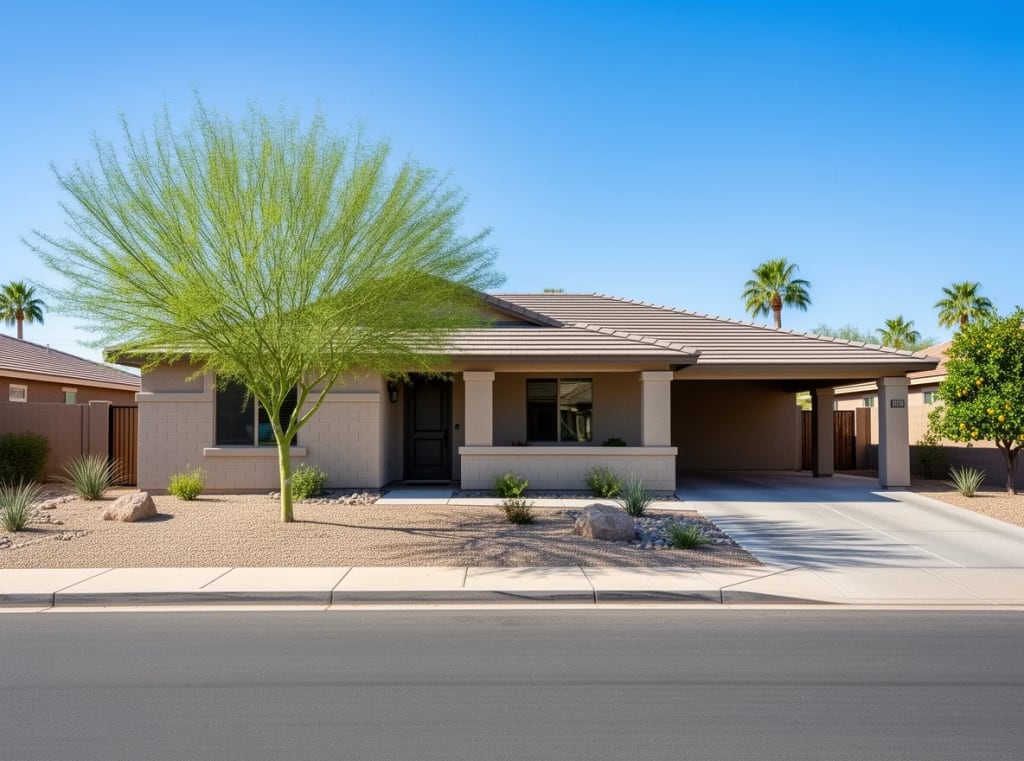
Phoenix Heat-Proof Homes: 10 Features That Cut Stress and Maintenance
Summer in Phoenix doesn't just test your patience—it tests your house. When the forecast stays in triple digits, every design choice starts to matter: how the roof is built, how the AC breathes, what your landscaping demands, and whether your garage feels like an oven. The good news is that "heat-proof" isn't a single upgrade; it's a smart set of features that work together to keep life comfortable and maintenance predictable.
Below are 10 practical, high-impact features Nova Legacy Homes, LLC often sees homeowners prioritize when they want lower bills, fewer weekend projects, and a home that feels calm even when the pavement is shimmering outside.
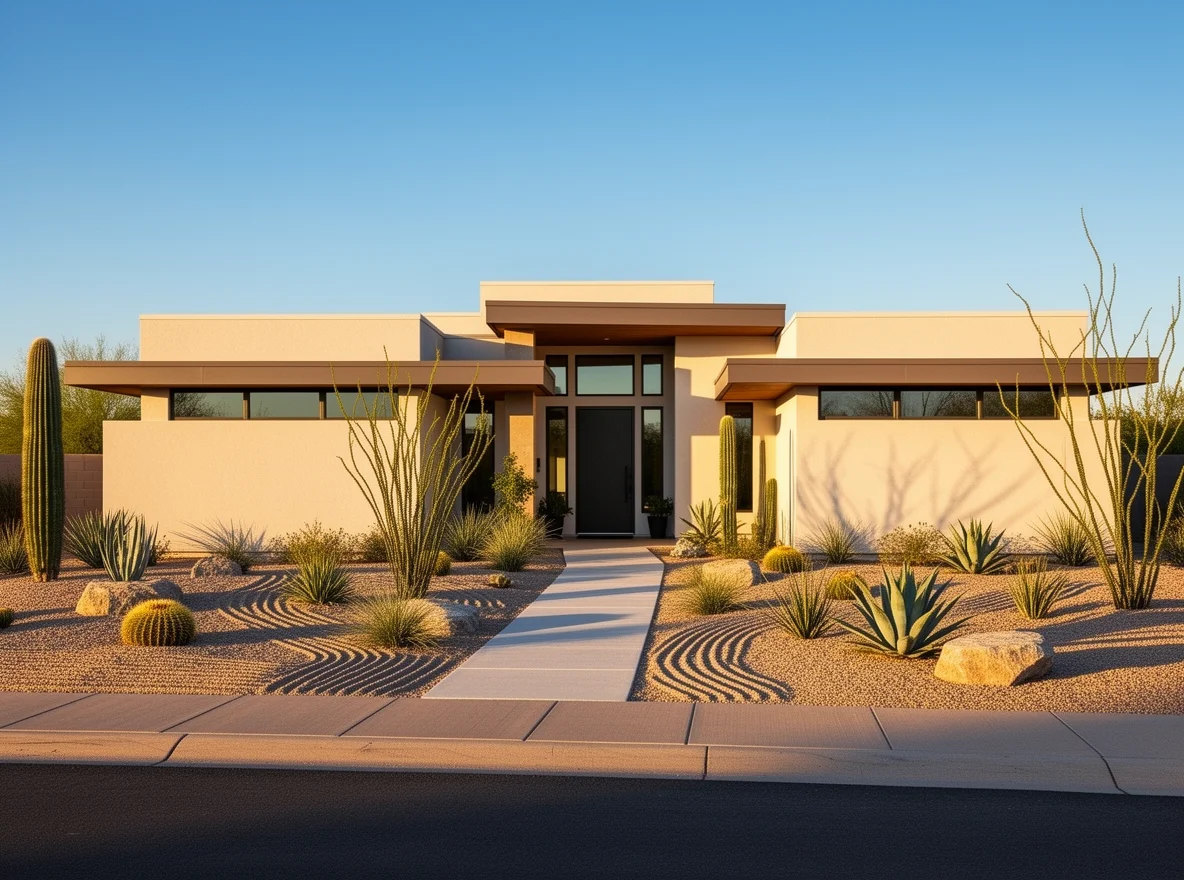
1) A "cool roof" system, not just new shingles
In Phoenix, your roof is basically solar equipment—whether you want it to be or not. Look for roofing materials and underlayment designed to reflect more sunlight and shed heat faster. Light or reflective roof surfaces can reduce attic temps dramatically, and that ripples through the whole home: your HVAC cycles less, ceiling rooms feel more stable, and your ductwork has an easier job.
2) Attic insulation plus air sealing (a two-part deal)
Insulation helps, but air sealing is what stops the house from "breathing" hot attic air into living spaces. A well-sealed attic hatch, sealed penetrations (around can lights, vents, and top plates), and correctly installed insulation create a thermal boundary that stays consistent. The payoff is comfort you can feel—especially in bedrooms that used to be warmer than the thermostat setting.
3) High-performance windows with low-e coatings
Heat gain through glass is a major culprit in sunny rooms. Low-e coatings and quality frames reduce radiant heat while still letting in natural light. Pair that with thoughtful window placement and you'll notice fewer hot spots near west-facing walls, less fading on floors and furniture, and less strain on your cooling system in late afternoon.
4) Exterior shading: overhangs, awnings, and shade screens
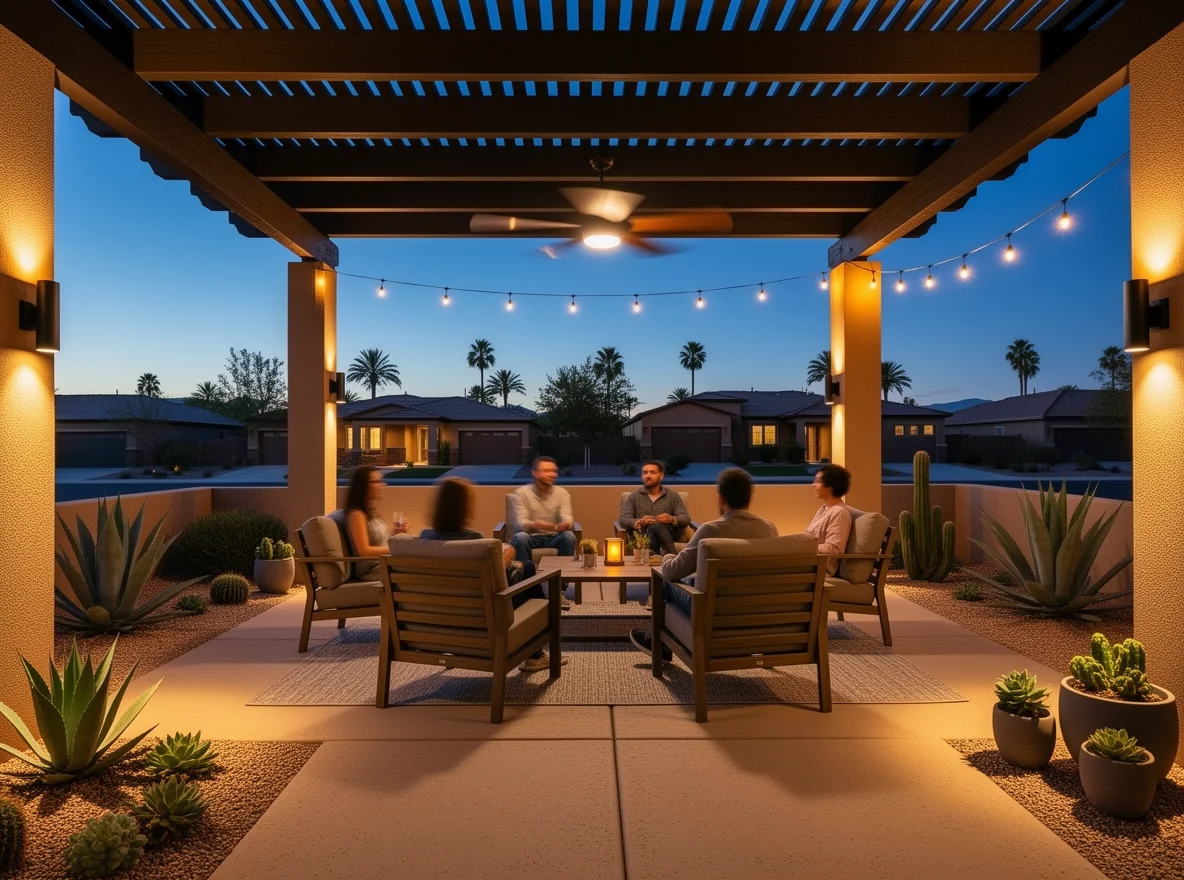
Blocking sun before it hits the glass is one of the most effective strategies. Deep overhangs, pergola-style shade structures, and exterior screens can turn a brutal west exposure into a manageable one. Bonus: shaded patios get used more often, which changes how the whole home lives—more indoor-outdoor flow, fewer months where you feel stuck inside.
5) Heat-smart HVAC sizing and duct design
In extreme heat, "bigger AC" can backfire if it's oversized and short-cycles. Proper load calculations, sealed ducts, and balanced returns deliver steadier temperatures and better humidity control. If you're shopping, ask about duct leakage testing, filter access, and whether the system was designed for the home's actual layout—not just square footage.
6) A sealed, insulated garage (and an upgraded garage door)
The garage is often the hottest room on the property—and if it shares walls with living areas, that heat transfers. An insulated door, weatherstripping, and insulated shared walls reduce that heat soak. If you store paint, tools, or a second fridge in there, the improvement is both comfort and longevity.
Materials and Layout Choices That Keep Phoenix Living Easy
Heat-proofing isn't only mechanical; it's also about choosing finishes and layouts that don't demand constant upkeep. When materials are selected for UV exposure and big temperature swings, you spend less time repairing, repainting, or replacing—and more time enjoying the home.
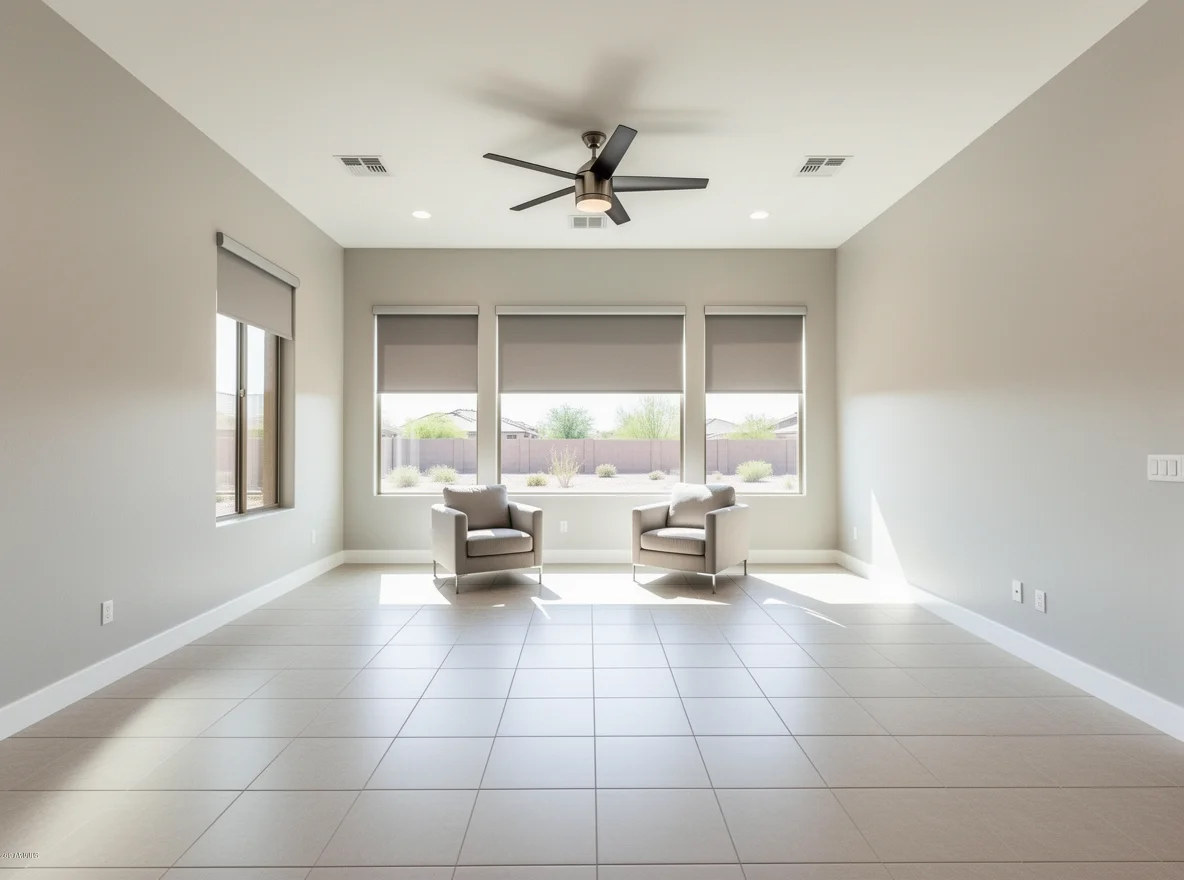
7) Tile or engineered flooring that tolerates temperature swings
Hard-surface flooring like porcelain tile is popular for a reason: it stays cooler underfoot and handles desert living well. If you prefer a warmer look, consider engineered products rated for Arizona conditions. Either way, avoiding materials that warp or discolor easily means fewer surprises after a hot season.
8) Low-maintenance exterior finishes (stucco, fiber cement, quality coatings)
Sun exposure can punish paint and wood trim. Durable stucco systems, fiber cement accents, and high-quality exterior coatings reduce cracking and fading. Well-detailed flashing and sealed joints matter just as much; they keep monsoon moisture from turning tiny gaps into ongoing repairs.
9) Desert-wise landscaping and smart irrigation
Water-hungry lawns and delicate plantings can turn into a weekly chore—and an expensive one. Xeriscape design using gravel, native plants, and shaded planting zones cuts maintenance and looks intentionally "Arizona," not sparse. Add drip irrigation with a simple controller and you'll waste less water while keeping plants healthier through heat waves.
10) Whole-home ventilation and indoor air quality basics
Keeping a home sealed and insulated is great—until stale air and dust build up. Balanced ventilation options (or thoughtfully designed fresh-air intake) plus easily accessible filters help your home feel fresher without constantly running fans. For many homeowners, this is the difference between "cool" and "comfortable."
On the lifestyle side, these features also shape your day-to-day rhythm in Phoenix. Shaded outdoor space makes early mornings and evenings more enjoyable, while stable indoor temperatures make work-from-home and school nights feel less draining. Proximity to parks, desert trail systems, and community recreation is a plus, but your house still needs to be the place you can recover from the heat—quiet, efficient, and easy to maintain.
What to Look for When Touring Homes in the Valley
When you walk a home, try a quick "heat checklist." Stand near west-facing windows and notice if the area feels warmer. Check the attic access for insulation depth and sealing. Look at the age and condition of the AC and ask whether it was sized with a load calculation. In the garage, look for insulation on the door and whether shared walls are finished and sealed. Outside, notice if the yard design feels like a hobby (high maintenance) or a plan (low maintenance).
For buyers thinking about schools, commutes, and daily errands, "heat-proof" features can matter as much as location. A home that stays comfortable with predictable utility costs can free up budget for the things that make Phoenix living fun—weekend hikes, spring training games, and exploring new dining spots—without feeling like your home is quietly draining your energy (or your wallet) in the background.
If you're comparing options and want a second set of eyes on what truly reduces heat stress versus what's just cosmetic, Nova Legacy Homes, LLC can help you evaluate the features that perform in real Phoenix summers. The right combination doesn't just cool the house—it makes the whole season feel easier.